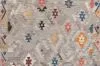
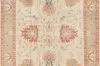
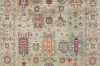
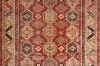
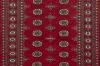
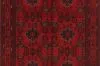
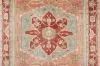
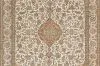
When a square rug works better than a rectangular one
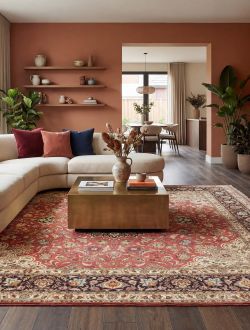
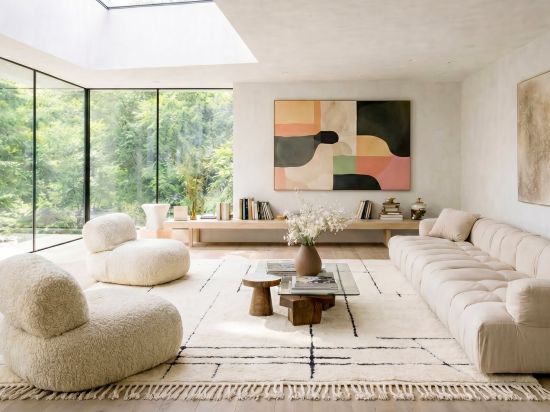
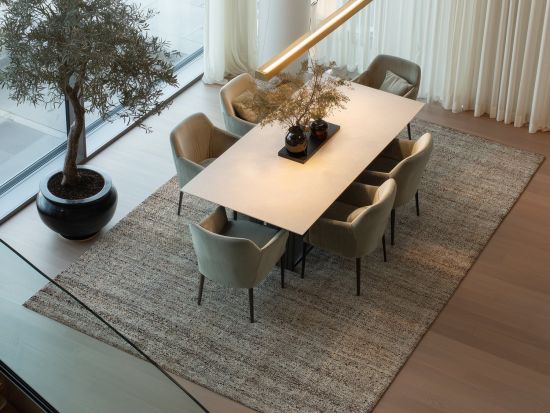
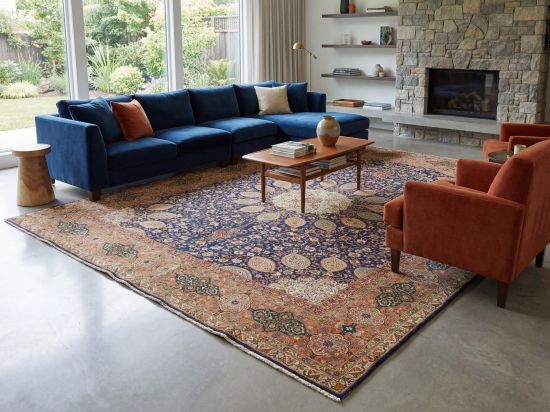
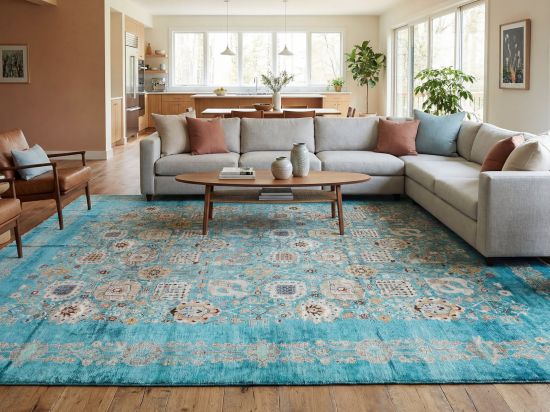
A rectangular rug gives a space a sense of direction; a square rug brings it together. Under a square table measuring 120 × 120 cm, you need a rug of 240 × 240 cm or more to keep all four legs of each chair on the rug. A rectangle would leave too little room on two sides and too much on the other two. Under a round table, a square creates a more balanced look than a rectangle because the distance to the rug’s edge is the same on all sides. Two sofas arranged at right angles almost always enclose a square area; here, a 250 × 250 cm square rug brings the seating and coffee table together. In square rooms, such as entrance halls, libraries and rooms with bay windows, a square rug avoids leaving wide strips of exposed floor along two walls and narrow strips along the others.
How square rugs became part of rug-making
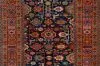
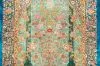
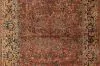
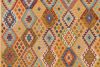
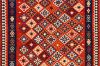
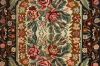
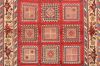
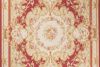
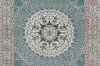
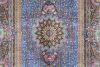
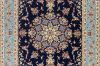
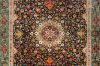
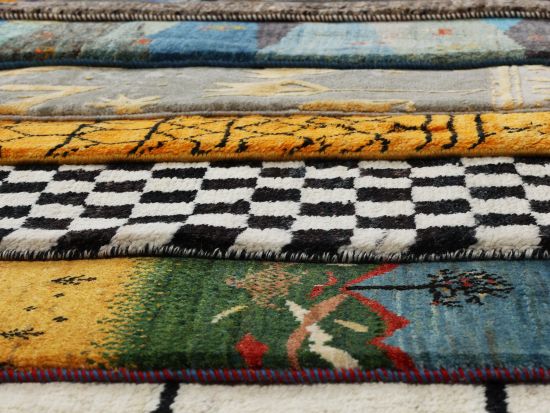
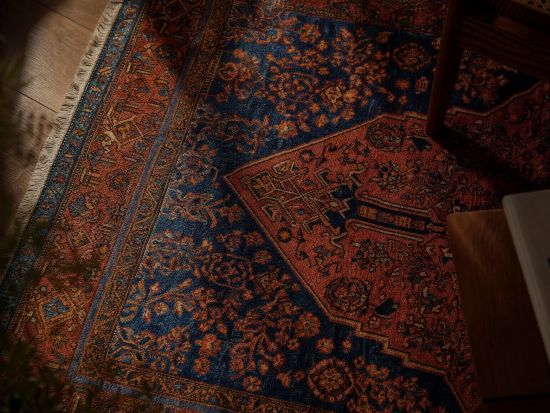
Square rugs were unusual in Persian workshops for a long time, as medallions and borders were designed for elongated formats. Nomadic makers, by contrast, knotted and wove rugs to suit their needs, from narrow runners to almost square tent rugs. Some Kilim rugs from the Fars region and the Qashqai measure around 150 × 170 cm and are nearly square because they served as tent floor coverings or blankets, rather than decorative pieces for reception rooms. Gabbeh rugs also come in near-square dimensions. Today, workshops knot square rugs to order. A square Bidjar or Tabriz has a central medallion with four matching corner motifs; without the elongated proportions of a rectangle, the medallion looks almost like a star. Persian pieces in this shape can be found under square Persian rugs, while plain and graphic designs are listed under square modern rugs.
What “square” means for a handmade rug
A hand-knotted rug labelled 200 × 200 cm may actually measure 198 × 204 cm. The wool shrinks slightly when washed after knotting, often more in one direction than the other. This filter therefore includes rugs whose sides are almost equal in length; you will find the measured dimensions listed for each rug. If you need a precise fit, for example in an alcove between two fitted cupboards, allow a few centimetres of clearance all round to be safe.
Frequently asked questions about square oriental rugs
How large should a square rug be under a square dining table?
Allow 60 to 80 centimetres beyond the table on each side: a 100 × 100 cm table needs a rug measuring between 220 × 220 cm and 260 × 260 cm. You can find more examples in the size guide.
Can a square rug work in a rectangular living room?
Yes, if it defines an area rather than filling the room: the seating area, a reading corner or the space in front of the fireplace. Leave the rest of the floor uncovered or use a second rug.
Are square oriental rugs available with a medallion?
Yes. In workshop-made rugs from Tabriz, Bidjar or India, the medallion sits in the centre, and the border is the same width on all four sides.
Square or round under a round table?
Both work. A round rug echoes the table’s shape for a softer look, while a square creates a contrast and leaves more room for chairs at the corners.