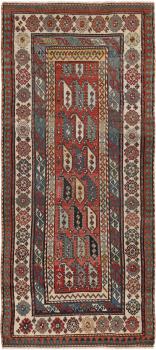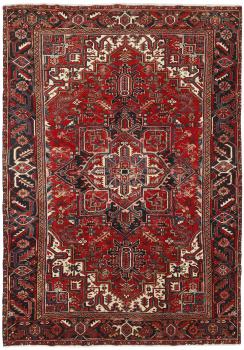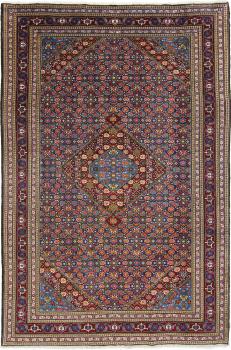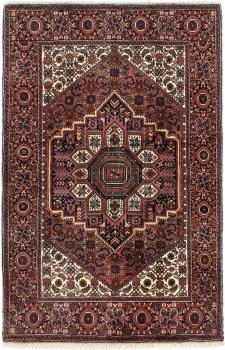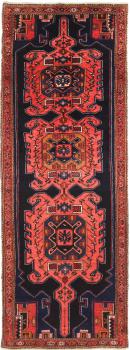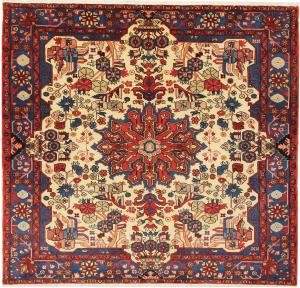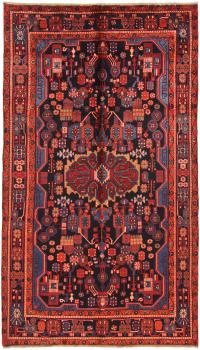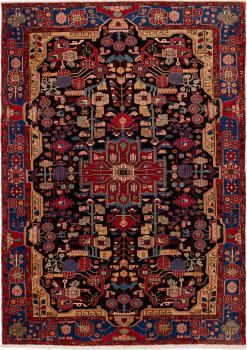
31 day money back guarantee Free shipping and free returns More than 88,000 unique rugs Since 1998: your expert for hand knotted oriental carpets

Nomadic rugs from Persia: An overview of the most significant origins

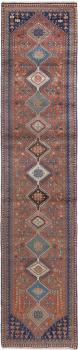
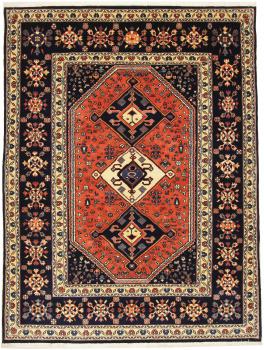
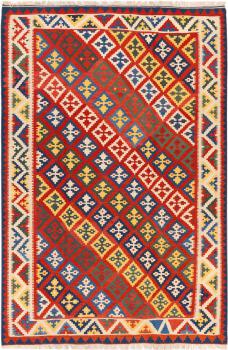
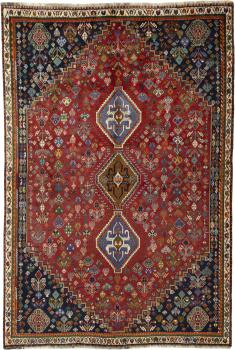
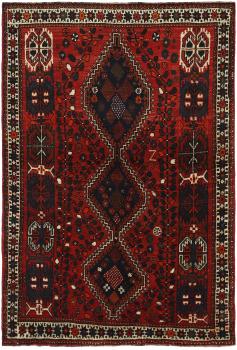
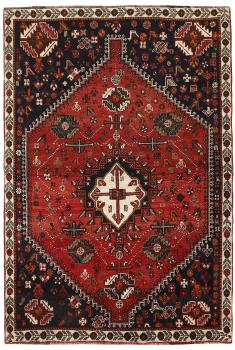
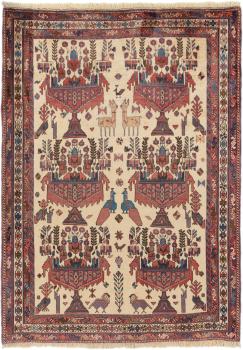
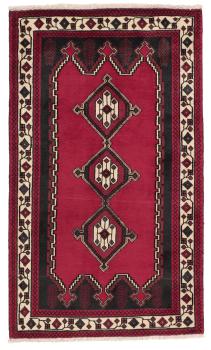
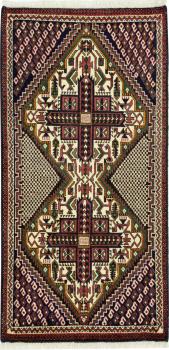
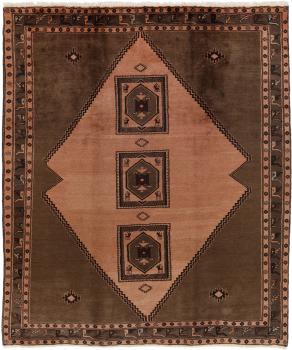
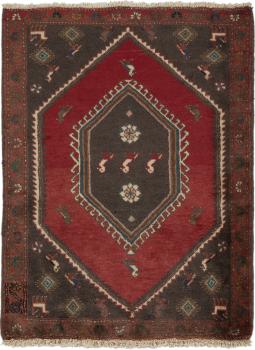
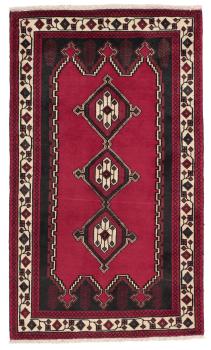
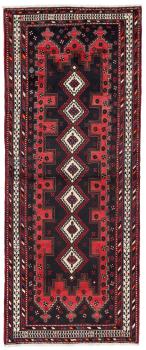
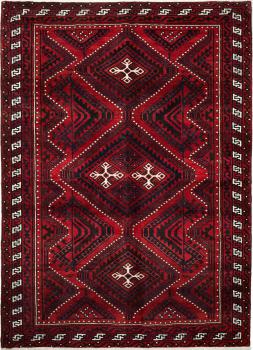
Nomadic rugs from Persia did not originate in court workshops or urban manufactories, but in the everyday lives of nomadic and village communities. As part of the long cultural tradition of Oriental rugs, they were woven for centuries almost exclusively for personal use. Thus, they reflect the lifestyles of various tribes, shaped by mobility, regional materials, and practical needs. Accordingly, these rugs differ significantly in structure, design, and technical execution from classical city rugs.

In this article, we present the most significant nomadic and village-nomadic rug origins: Ghasghai, Shiraz, Hamadan, Bakhtiari, Baluch, Senneh, Afshar, Lori, Nahavand, Koliai, and Heriz. Additionally, Gabbeh is also classified, a rug type that, although rooted in nomadic tradition, is now independently recognised. Each of these groups represents a clearly identifiable combination of origin, cultural background, typical sizes, colour palettes, and pattern languages.

All origins are described according to a uniform feature grid. Geographic origin, cultural classification, typical sizes, materials, colour palette, design layout, pattern categories, as well as technical characteristics such as pile height, knot type, and knot density are taken into account. This creates a structured comparison that highlights differences and provides a well-founded understanding of nomadic rug traditions.

GHASGHAI

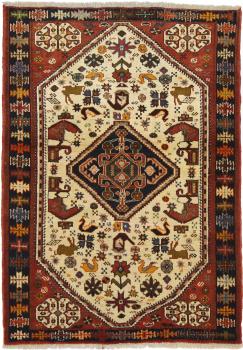
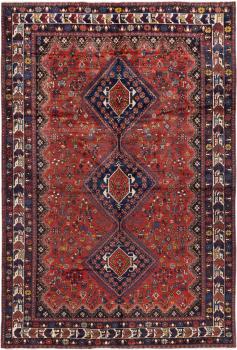
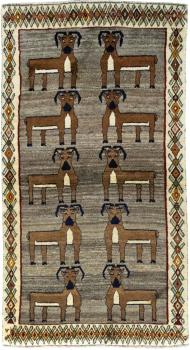
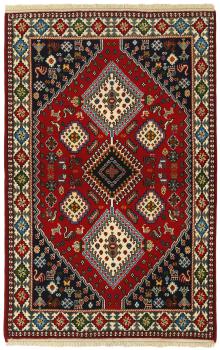
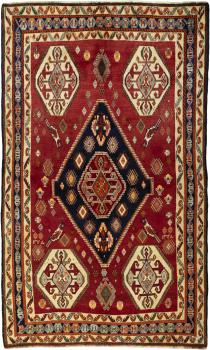
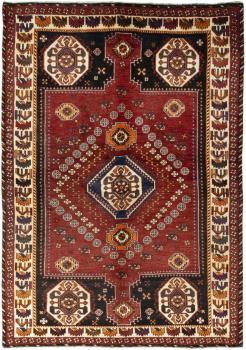
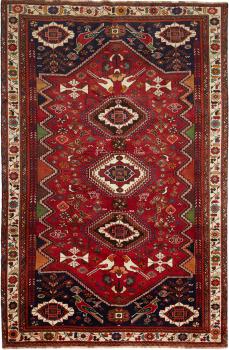
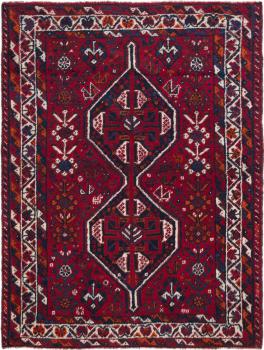
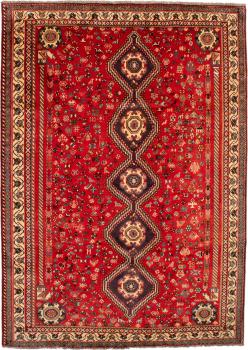
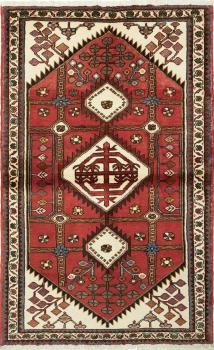
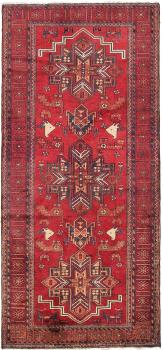
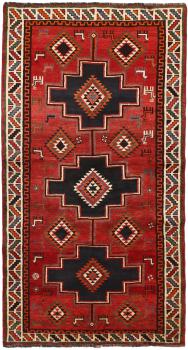
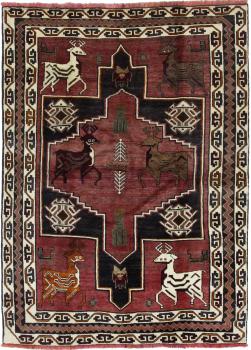
The Ghashghai are a traditionally nomadic tribal association in southern Persia, particularly in the province of Fars around Shiraz. Their carpets have developed over centuries as everyday items and are strongly influenced by a mobile lifestyle. Characteristic features include compact, smaller to medium carpet sizes and runners that are easy to transport. Ghashghai carpets can be recognised by their powerful, direct presence, free line work with varying symmetry, and a consciously functional design. The quality is predominantly in the solid, practical range suitable for everyday use.

Ghasghai: Material, Colours and Design

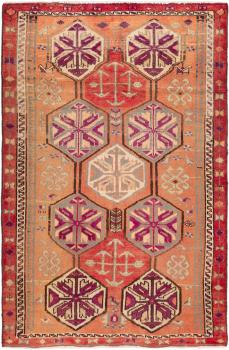
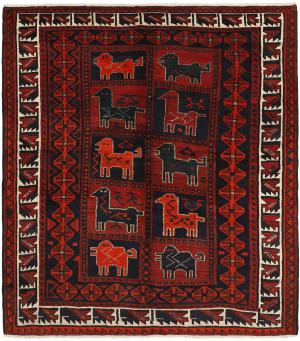
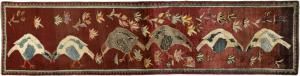
Ghasghai Rugs are predominantly made from robust sheep wool, often sourced from local sheep stocks. The colour palette is warm and contrasting, with dominant reds and shades of red, complemented by dark blue, ivory, brown, and occasional yellow or green tones. The design layout usually follows a free, not strictly symmetrical structure. Typical pattern categories include geometric shapes such as diamonds and medallions, striped or field structures, as well as stylised animal and plant motifs. Visible variations within a rug are characteristic.

Ghasghai: Knotting and Texture

The pile is usually medium to slightly higher and conveys a dense, resilient texture. It is predominantly knotted using the asymmetrical Persian knot, which is often set slightly irregularly. The knotting densities are in the low to medium range, typical for nomadic utility quality, designed for durability rather than fine detail. The knotting and weaving techniques are functional, robust, and not standardised; minor irregularities in line work or proportions are part of the typical appearance.

SHIRAZ

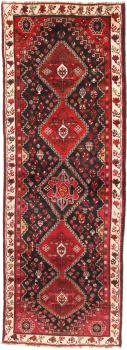
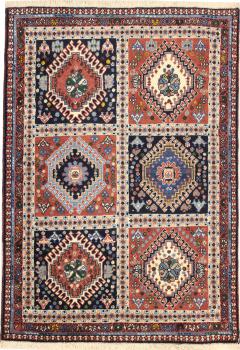
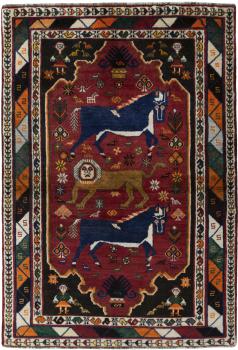
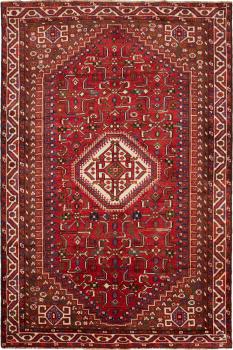
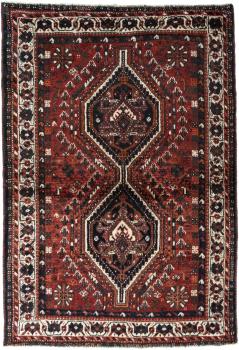
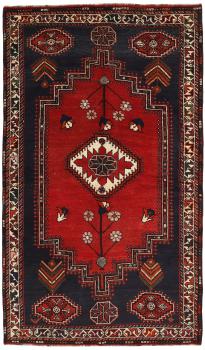
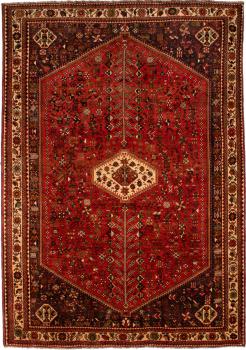
Shiraz Carpets originate from southern Persia and refer to a group of carpets from the region surrounding the city of Shiraz, which has historically been heavily influenced by nomadic groups such as the Qashqai. Initially, production was mobile and later partially transitioned into village structures. Typical are smaller to medium formats as well as rugs and runners. Shiraz carpets can be recognised by their narrative, free designs, symbolic motifs, and an overall vibrant effect. The quality is predominantly in the solid utilitarian range.

Shiraz: Material, Colours and Design

Primarily, new wool is used, often in a wool warp; in more recent pieces, cotton is sometimes found in both the warp and weft. The colour palette is warm and vibrant, featuring shades of red, blue, and ivory, with yellow, green, or orange as accents. The design layout is free and not strictly symmetrical. The pattern categories include geometric shapes, simple medallion or field structures, as well as stylised animal and plant motifs, which can vary noticeably from piece to piece.

Shiraz: Connection and Texture

The pile is usually medium to high and feels soft and dense. It is predominantly knotted using the asymmetrical Persian knot, often placed slightly irregularly. The knotting densities are in the low to medium range, typical for nomadic-influenced utility quality. The knotting and weaving techniques are functional and robust, with low standardisation and visible, craft-related variations.

HAMADAN

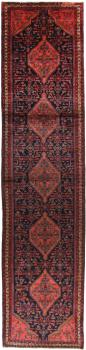
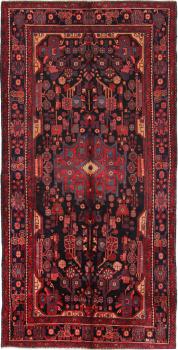
Hamadan refers to a large group of predominantly sedentary, organised village carpets from the eponymous region in western Persia. The production has some nomadic roots but is clearly characterised by village influences and is strongly decentralised. Hamadan carpets were traditionally woven for local everyday use and later produced in large quantities for export. They are typically smaller to medium-sized, as well as market-standard long runner formats. The quality and craftsmanship vary significantly depending on the village.

Hamadan: Material, Colours and Design

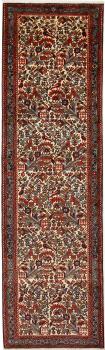
The pile is predominantly made of strong new wool, often combined with a characteristic cotton warp. The colour palette is clear and contrasting, featuring frequent shades of red and blue, complemented by beige, ivory, green, or brown. The design layout is simple and functional. All-over patterns or small medallion layouts often dominate. The pattern categories mainly include geometric motifs, as well as occasionally simplified floral elements.

Hamadan: Knotting and Texture

The pile is generally medium-high and feels firm and robust. The knotting is predominantly done using the asymmetrical Persian knot, usually placed regularly. The knotting densities range from low to medium and show a strong variation depending on the village of origin. The knotting and weaving techniques are village-standardised and consistently designed for practicality and durability.

BAKHTIARI

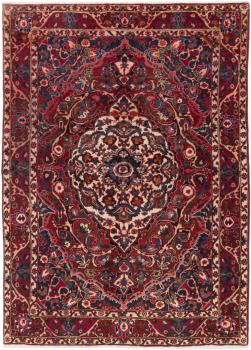
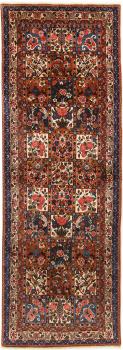
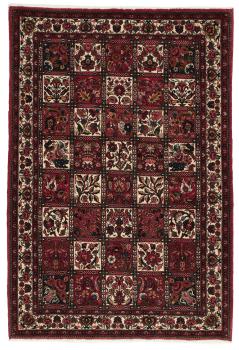
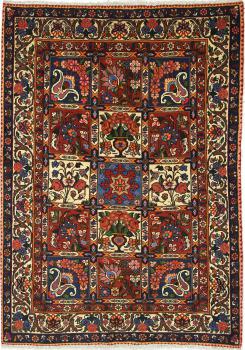
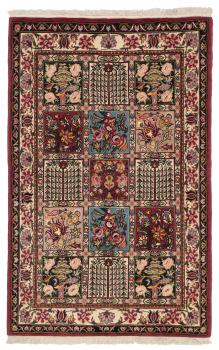
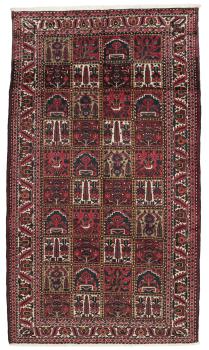
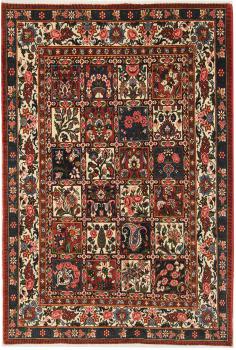
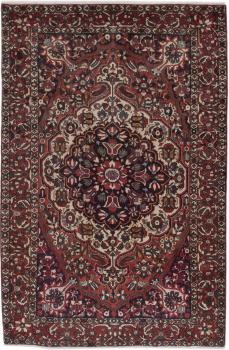
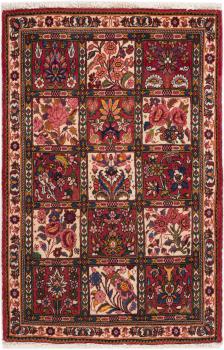
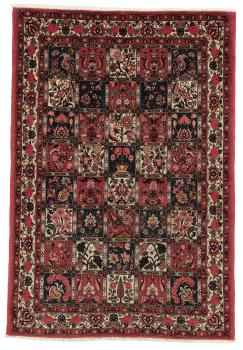
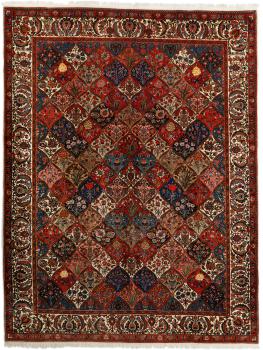
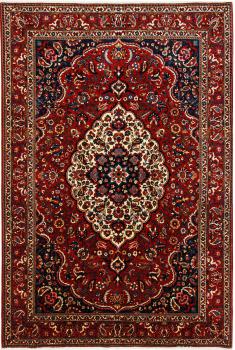
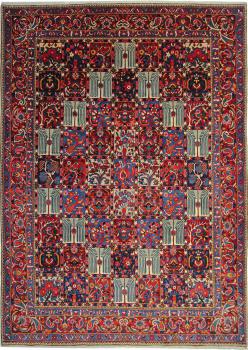
Bakhtiari Carpets trace their origins back to a traditionally nomadic tribal association in western and southwestern Persia, primarily from the Zagros Mountains. The production early shifted to stable village structures, resulting in very consistent and durable qualities. Typical are medium to large room sizes, intended for living and representative spaces. Bakhtiari carpets can be easily identified by their heavy, compact construction, clearly defined patterns, and their overall powerful effect. The quality is considered reliable and long-lasting.

Bakhtiari: Material, Colours and Design

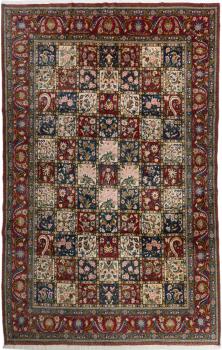
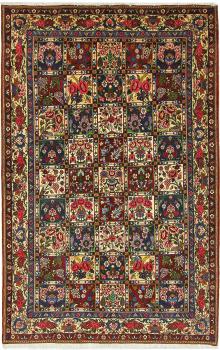
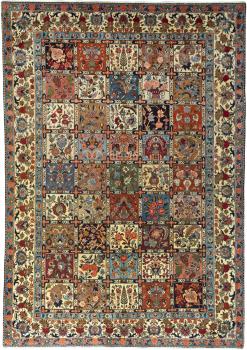
High-quality, strong wool is predominantly used for the pile, usually combined with cotton for the warp and weft. The colour palette is balanced and earthy, featuring red, dark blue, beige, and ivory, with green or brown as complements. Characteristic of the design layout are clearly defined fields or garden motifs. The pattern categories combine geometric basic structures with stylised floral elements in a strictly organised arrangement.

Bakhtiari: Connection and Texture

The pile is medium-high and feels very dense, heavy, and durable. It is predominantly knotted using the asymmetrical Persian knot, regularly and firmly set. The knotting densities are in the medium range and designed for high durability. The knotting and weaving techniques are clearly village-standardised and aimed at long-term use.

BELUTSCH

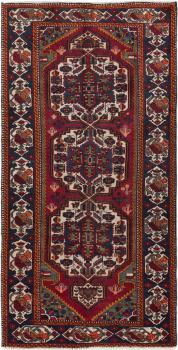
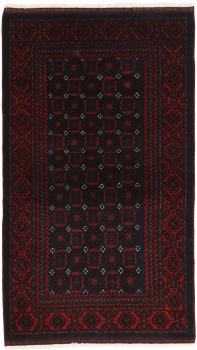
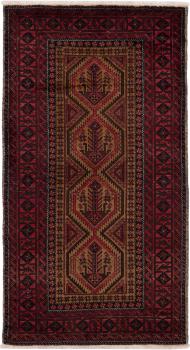
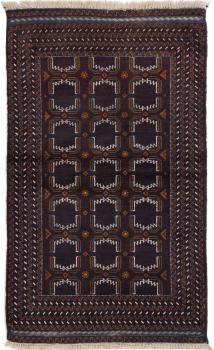
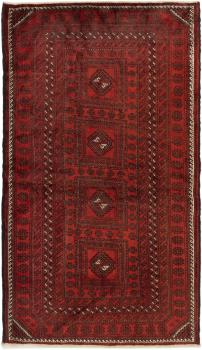
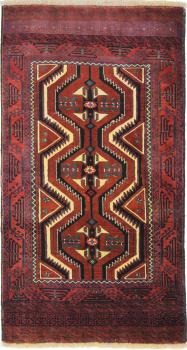
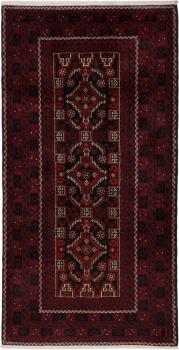
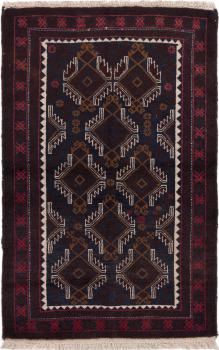
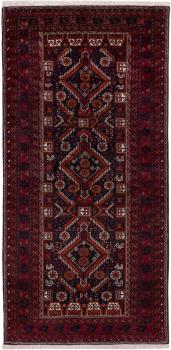
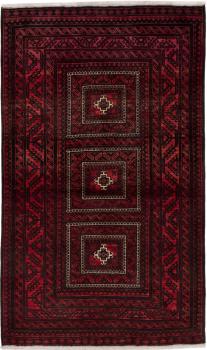
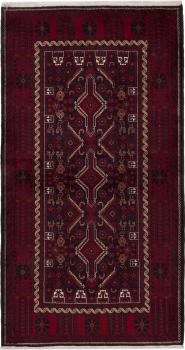
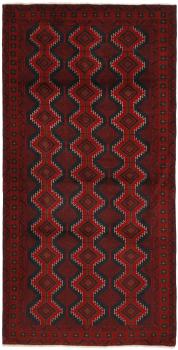
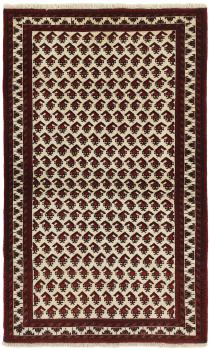
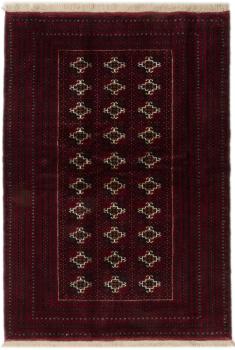
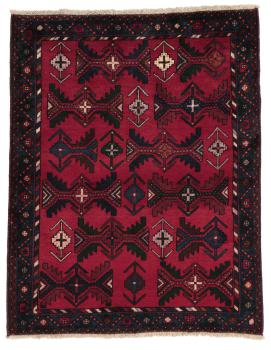
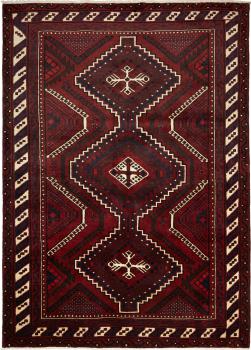
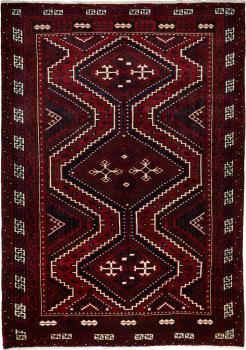
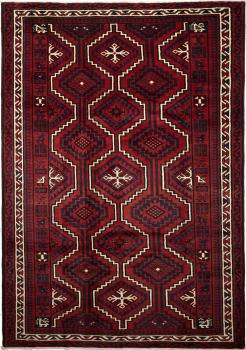
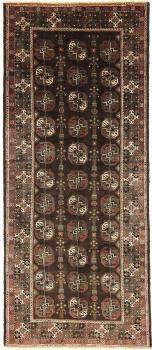
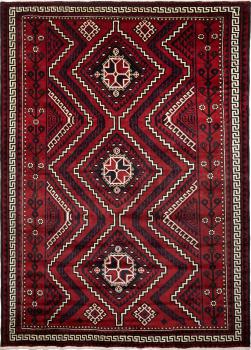
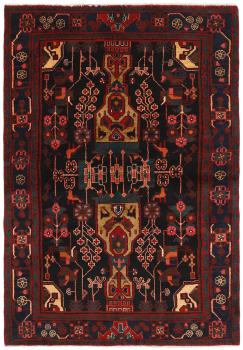
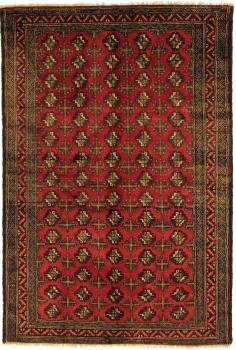
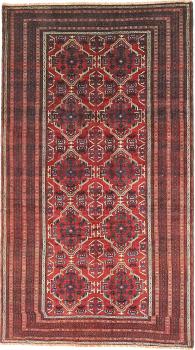
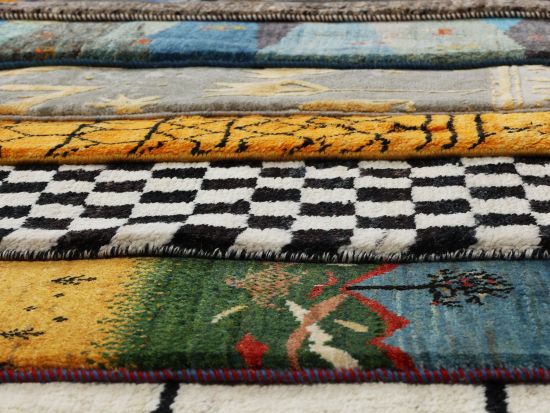
Baluch Rugs (also: Belutch or Baluch) originate from nomadic and semi-nomadic tribal groups in the border regions between northeastern Persia and Afghanistan. The rugs were traditionally woven for personal use and reflect a strongly tribal, functional design. Smaller rugs, prayer mats, and runners are typical. Baluch rugs are easily recognised by their dark overall appearance, intricate, repetitive patterns, and a restrained, serious aura. The quality is predominantly designed for everyday practicality.
Belutsch: Material, Colours and Design

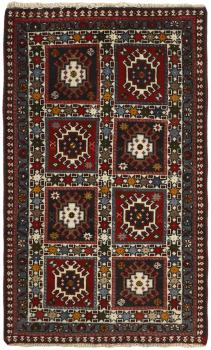
Mainly, new wool is used, often in dark, natural qualities. The colour palette is heavily muted and primarily includes dark red, brown, dark blue, and black. The design layout is strictly structured and repetitive. The pattern categories are predominantly geometric, with small medallions or continuous all-over structures. Floral motifs appear only in a highly abstracted form.

Belutsch: Knotting and Texture

The pile is low to medium height and appears compact and firm. It is predominantly knotted using the asymmetrical Persian knot, usually evenly but rather coarsely applied. The knotting densities are in the low to medium range, typical for nomadic utility quality. The knotting and weaving techniques are simple, functional, and hardly standardized.

HERIZ

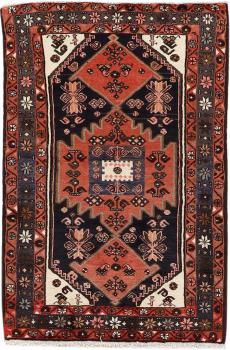
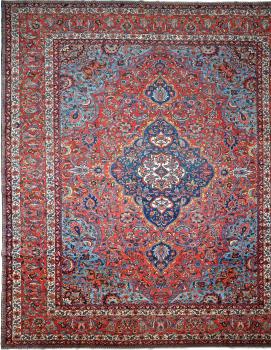
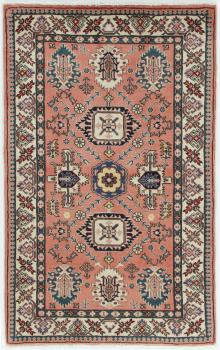
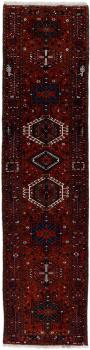
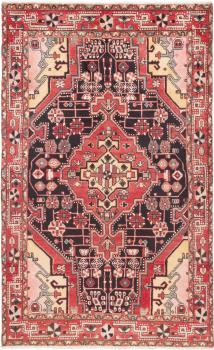
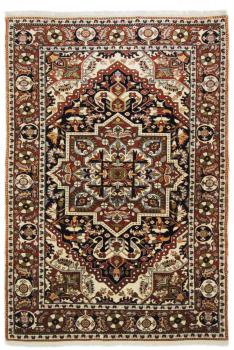
Heriz carpets originate from northwestern Persia, particularly from the East Azerbaijan region around the city of Heriz. The production is predominantly organised in a sedentary, village-based manner and has been heavily export-oriented since the early 20th century. Typical are medium to very large room formats, specifically developed for spacious living areas. Heriz carpets can be easily recognised by their distinctive, angularly drawn medallions, clear lines, and a distinctly robust construction. The quality is consistently designed for durability.

Heriz: Material, Colours and Design

Very strong, durable wool is used for the pile, usually combined with a sturdy cotton warp. The colour palette is clear and contrasting, with dominant reds and blues, complemented by beige, ivory, or occasionally green. The design layout is strongly architectural and typically follows a large central medallion with distinctly structured corners. The pattern categories are predominantly geometric, with floral elements appearing highly stylised and angular.

Heriz: Knotting and Texture

The pile is medium-high and feels very firm, heavy, and compact. The knots are predominantly tied using the symmetrical Turkish knot, regularly and densely arranged. The knot densities are in the medium range, with stability clearly taking precedence over fine detail work. The knotting and weaving techniques are highly standardised and designed for maximum durability and shape stability.

SENNEH

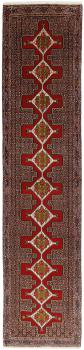
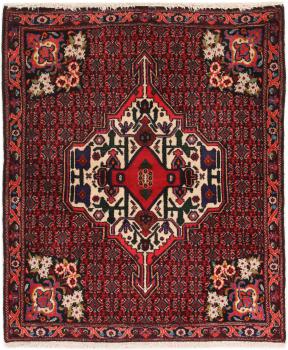
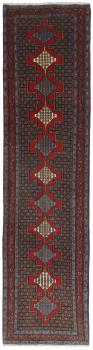
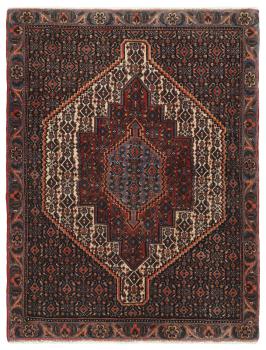
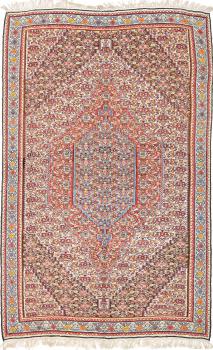
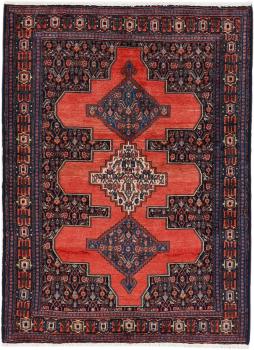
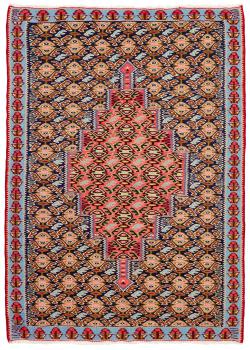
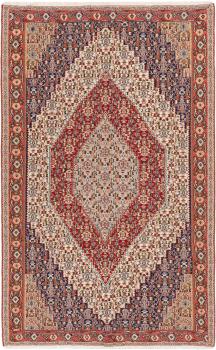
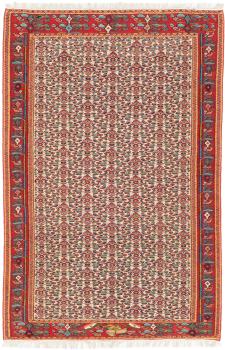
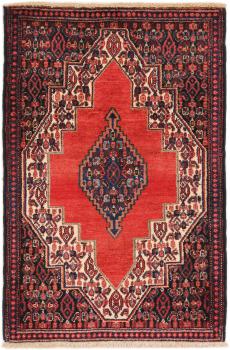
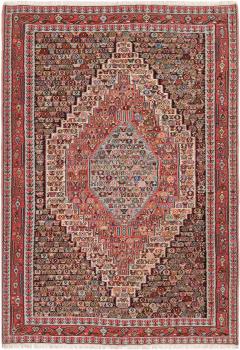
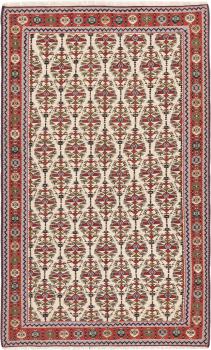
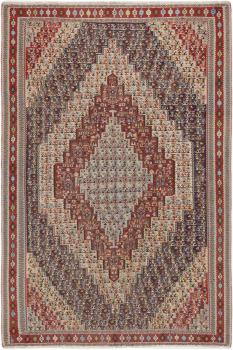
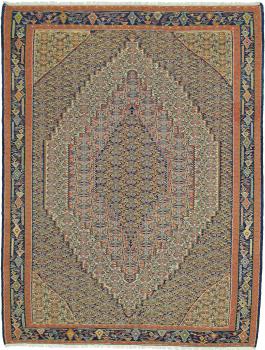
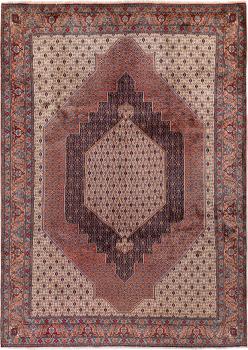
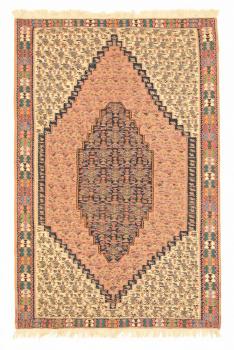
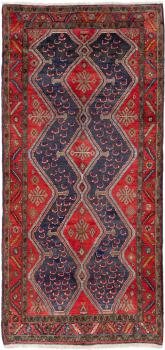
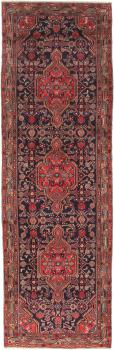
Senneh Carpets originate from the Kurdish city of Senneh (now Sanandaj) in western Persia. The weaving tradition is settled and technically precise, culturally positioned between rural and urban carpet production. Typical are smaller to medium carpet formats, designed for detail richness rather than large surface impact. Senneh carpets can be recognised by their fine ornamentation, clear order, and an overall controlled, balanced appearance. The quality is usually in the higher range.
Senneh: Material, Colours and Design

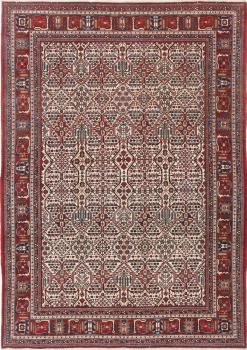
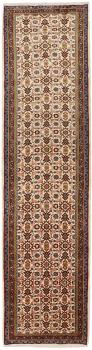
Senneh rugs are made from fine sheep's wool, usually on a cotton warp. The colour palette is varied and balanced, featuring shades of blue, red, ivory, and green, along with subtle intermediate tones. The design layout is very regular and finely structured. Dense all-over patterns are typical, often in the form of delicate Herati or geometric-floral structures that require high line precision.

Senneh: Knotting and Texture

The pile is low and feels smooth, fine, and dense. It is predominantly knotted using the asymmetrical Persian knot, which is set very regularly and precisely. The knotting densities are in the medium to higher range, allowing for a clear representation of intricate patterns. The knotting and weaving techniques are controlled, uniform, and designed for technical accuracy.

AFSHAR

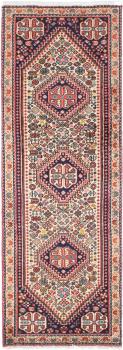
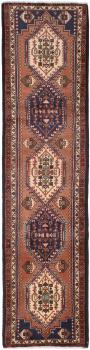
Afshar Rugs originate from originally nomadic, Turkic groups in southern and central Persia, particularly from regions around Kerman, Sirjan and adjacent areas. Historically, production was mobile, but it shifted relatively early to semi-nomadic and village structures. Typical are smaller to medium rug formats as well as bridges. Afshar rugs can be recognised by their rather compact appearance, clearly defined patterns, and an overall calm, controlled design. The quality predominantly ranges from solid to good for everyday use.

Afshar: Material, Colours and Design

Afshar rugs are typically made from sturdy, durable wool, often with a rather dry texture. The colour palette is earthy and understated, featuring dark red, rust red, blue, and ivory, complemented by green or yellow as accent colours. The design layout is clearly structured and less free-form than that of highly nomadic rugs. The pattern categories include geometric motifs, small medallions, and stylised floral elements in a compact, balanced arrangement.

Afshar: Knotting and Texture

The pile is usually of medium height and appears dense and durable. The knots are predominantly tied using the asymmetrical Persian knot, generally spaced relatively evenly. The knot densities are in the medium range and are designed for long-lasting usability. The knotting and weaving techniques are functional, stable, and have already been partially standardised, without completely losing the artisanal character.

LORI

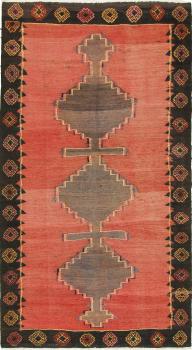
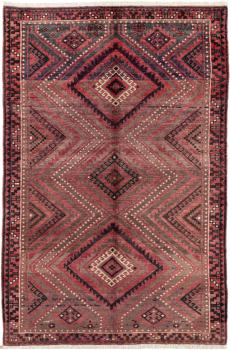
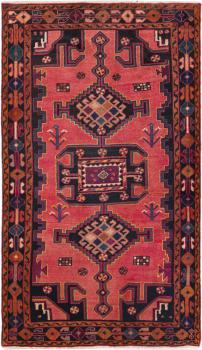
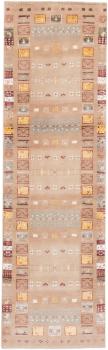
Lori Rugs originate from nomadic tribal groups in southwestern Persia, particularly from the Zagros Mountains. The rugs were traditionally made for personal use and are culturally closely related to the Gabbeh tradition, although they are not the same. They are typically smaller rugs, runners, and narrow formats. Lori rugs are characterised by their highly reduced design, simple structures, and a pronounced emphasis on materials. The quality is functional and designed for everyday use.

Lori: Material, colours and design

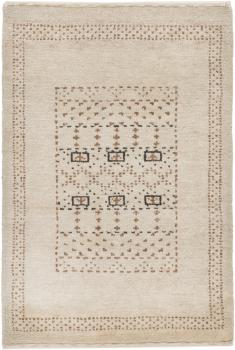
Primarily, coarse to medium sheep wool is used, often on wool chain. The colour palette is heavily nature-inspired and includes natural white, cream, brown, grey, as well as muted shades of red or blue. The design layout is very free and often asymmetrical. The pattern categories are highly reduced and mostly consist of simple geometric shapes, fields, or stripes without complex ornamentation.

Lori: Tying and Texture

The pile is medium to high and feels soft, voluminous and warm. It is knotted using the asymmetrical Persian knot, usually tied loosely and irregularly. The knotting densities are in the low range, typical for nomadic utility quality. The knotting and weaving techniques are simple, functional and hardly standardized, giving each piece a very individual character.

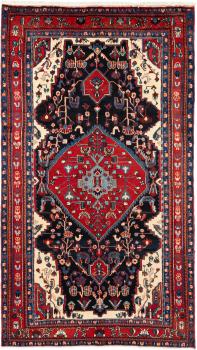
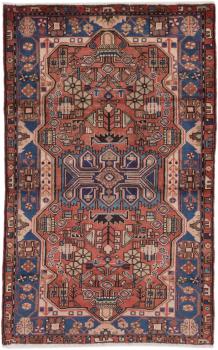
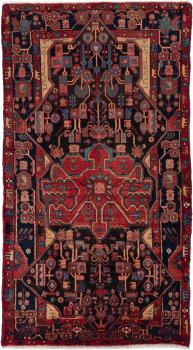
NAHAVAND

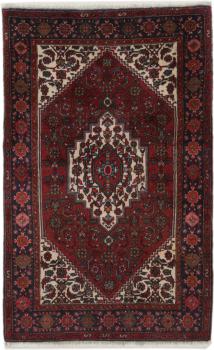
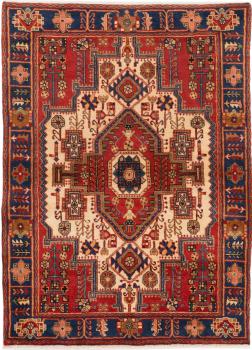
Nahavand Carpets originate from rural structures around the city of Nahavand in western Persia. The production is predominantly sedentary and stylistically lies between the carpets from Hamadan and Kurdish origins. Typical are medium-sized carpet formats intended for everyday living spaces. Nahavand carpets can be recognised by their ordered pattern structure, a pragmatic design, and an overall solid execution. The quality is in the stable usage range.

Nahavand: Material, Colours and Design

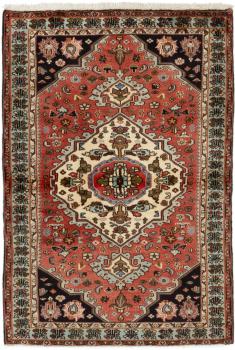
The pile is predominantly made of new wool, usually combined with cotton for the warp and weft. The colour palette is classic and balanced, featuring shades of red, blue, and beige, with green or brown as accent colours. The design layout is clearly structured and less variable than that of Hamadan rugs. The pattern categories include geometric motifs, medallions, and simplified floral elements in calm arrangements.

Nahavand: Knotting and Texture

The pile is medium-high and feels firm and dense. The knots are predominantly tied with the asymmetrical Persian knot, placed regularly. The knot densities are in the low to medium range and are designed for everyday practicality. The knotting and weaving techniques are solid, executed evenly, and village-standardised.

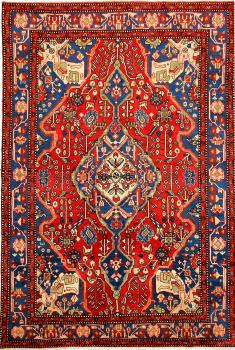
KOLIAI

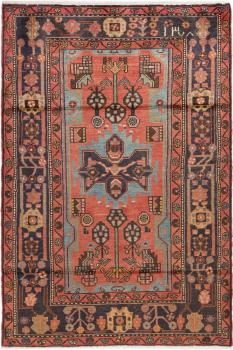
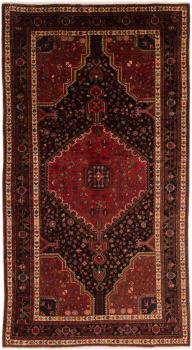
Koliai Rugs originate from Kurdish-influenced areas in western Persia, particularly from the Kermanshah region. Their production is predominantly organised in a settled, village-based manner, yet they exhibit stylistic similarities to older, partly nomadic traditions. Typical are medium-sized rugs, designed for everyday living spaces. Koliai rugs can be recognised by their calm, balanced overall effect, clearly structured compositions, and a straightforward, controlled design. The quality is stable and suitable for daily use.

Koliai: Material, Colours and Design

Primarily, new wool is used for the pile, often combined with cotton for the warp and weft. The colour palette is balanced and rather subdued, featuring shades of red, blue, beige, and ivory, with green or brown as complementary colours. The design layout is clearly structured and often based on medallions. The pattern categories combine geometric basic shapes with stylised floral elements in an orderly, easily readable arrangement.

Koliai: Knotting and Texture

The pile is medium-high and appears dense and firm. The knots are predominantly tied using the asymmetrical Persian knot, placed regularly and evenly. The knot densities are in the medium range and are designed for long-lasting quality of use. The knotting and weaving techniques are executed uniformly and standardised at a village level, which gives the carpets their calm, reliable structure.

GABBEH – Classification and Delimitation

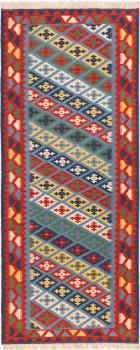
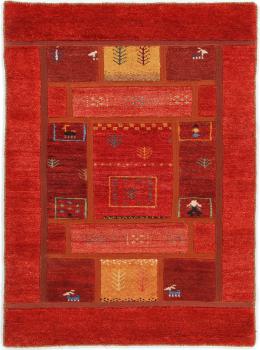
Gabbeh Rugs also belong to the world of nomadic rugs of Persia, but they hold a special position within this group. They originally emerged among nomadic groups in southwestern Persia, particularly in the vicinity of the Lori and Ghasghai tribes. In contrast to classic nomadic rugs, Gabbeh were only comparatively late recognised as an independent category of rugs and were specifically developed further. Today, they are considered a young, clearly defined category within the Persian rug landscape.

Gabbeh: Design and Character

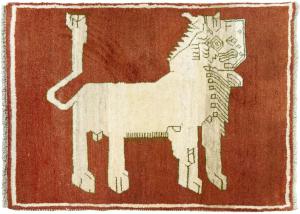
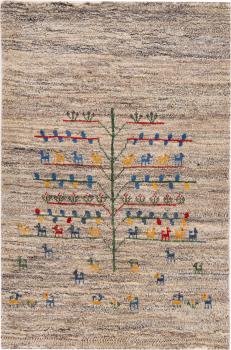
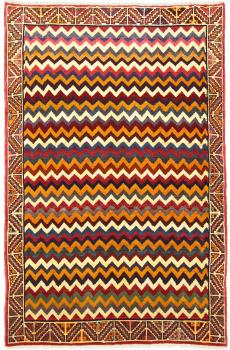
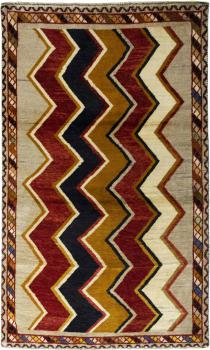
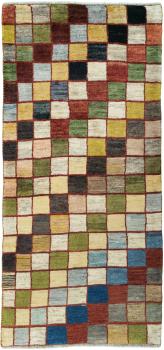
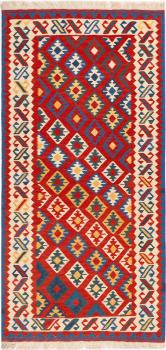
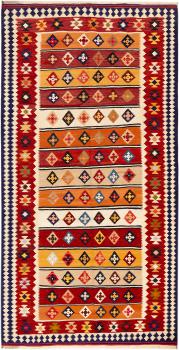
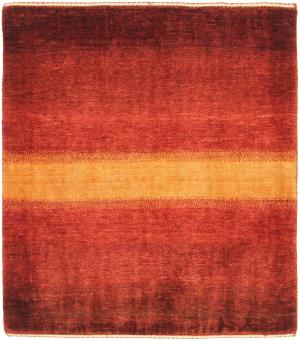
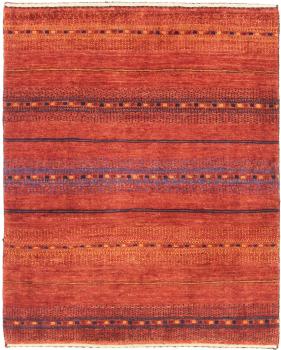
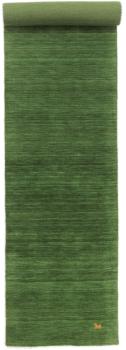
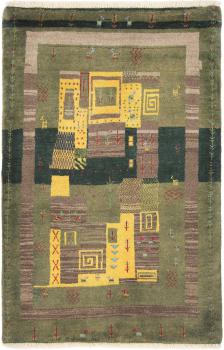
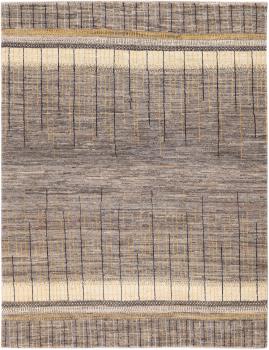
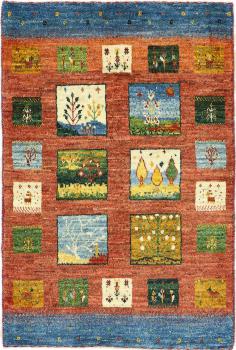
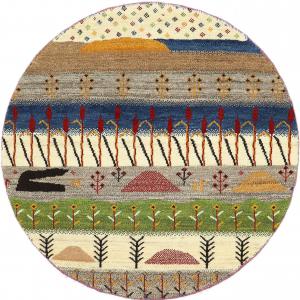
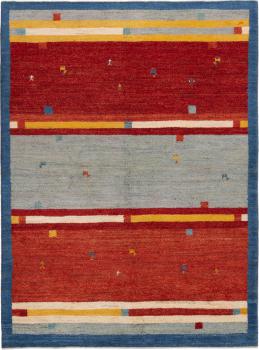
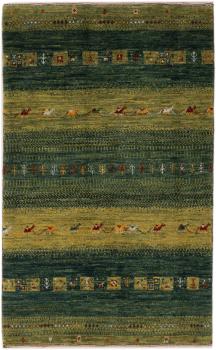
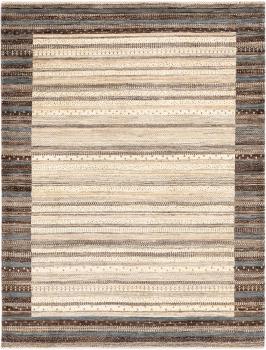
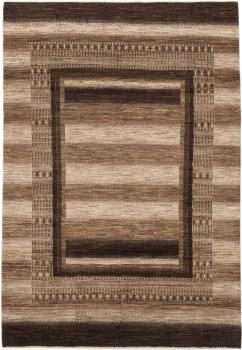
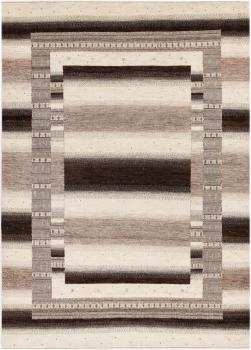
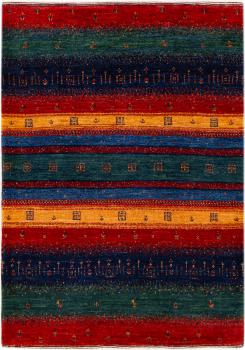
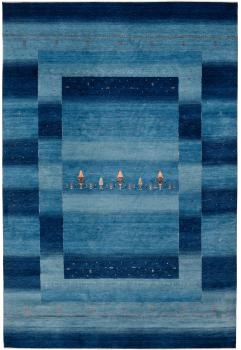
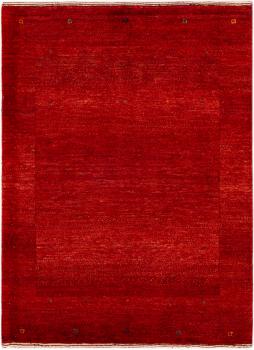
Typical of Gabbeh are very reduced, often almost minimalist designs with large solid colour areas, few geometric motifs or highly simplified symbols. The colour palette is often nature-inspired, but in newer pieces it can also extend to vibrant, clear tones. The design layout is deliberately calm and open, with plenty of negative space. This distinctive design independence clearly sets Gabbeh apart from the more structured patterns of traditional nomadic and village carpets.

Gabbeh in the context of nomadic rugs

Although Gabbeh are hand-knotted and culturally rooted in a nomadic environment, they follow a different aesthetic logic than traditional nomadic, village, or tribal carpets. They represent less of the inherited pattern traditions and more of a free, modern interpretation of nomadic knotting art. For this reason, Gabbeh are now mostly classified as a distinct carpet category and are consciously differentiated from classic nomadic carpets such as Ghasghai, Lori, or Shiraz.